We Value Your Privacy
We use cookies to enhance your browsing experience, serve personalised ads or content, and analyse our traffic. By clicking 'Allow All', you consent to our use of cookies. For further details, please see our cookies policy.
We use cookies to enhance your browsing experience, serve personalised ads or content, and analyse our traffic. By clicking 'Allow All', you consent to our use of cookies. For further details, please see our cookies policy.
Extensive remote learning would apply particularly in a situation in which the school is closed for an extended period of time. This guidance does not normally apply in the event of short-term school closures (e.g. as a result of inclement weather) or a short-term student absence.
Some aspects of remote learning may also be appropriate in situations when students, in agreement with the school, have a period of absence but are able to work at home, at least to some extent. This may apply in cases such as longer-term illness, assuming students are able to complete schoolwork at home, or following an infectious disease outbreak if students are self-isolating at home but are not suffering with relevant symptoms.
In the event of a full or partial school closure e.g. national/local lockdown, the school will provide continuity of education in the following ways:
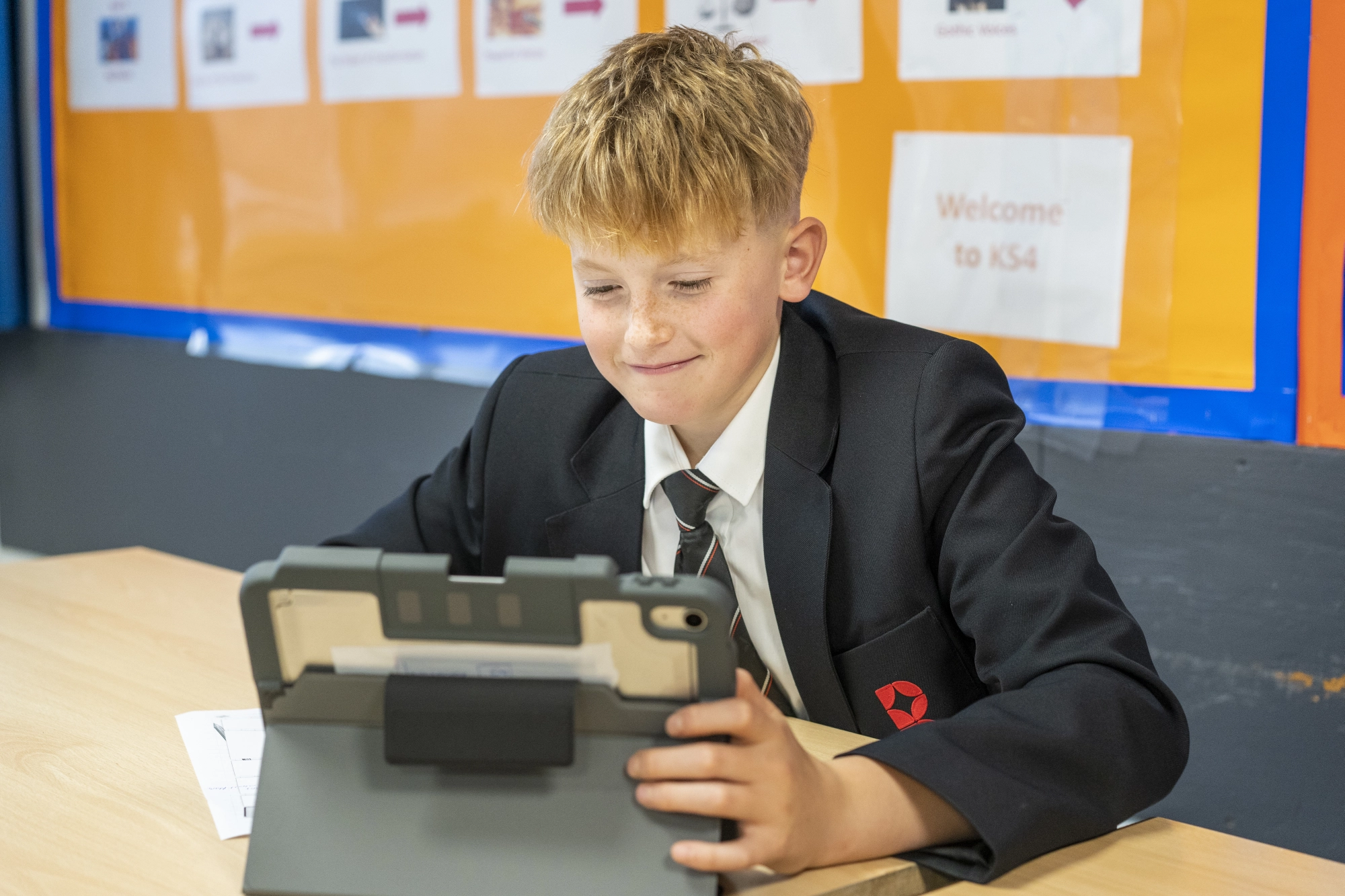
Regular direct instruction from teachers, with the ability for students to ask questions online (via Microsoft Teams - this platform allows for resources to be shared, teachers to provide exposition, and students to ask questions synchronously (in ‘real-time’). This may be through synchronous (live lessons) or asynchronous teaching (pre-recorded lessons, e.g. Loom).
The setting of assignment work that students complete via the Microsoft Teams Assignments function.
The assessment of key assignments that are submitted to teachers electronically and on which feedback is provided.
Live lessons will occur if there are extended school closures and teachers would deliver their usual timetabled lesson remotely either from their classroom or from home.
Support for students with SEND, EAL and other specific learning enhancement needs
Teachers will ensure that work is differentiated appropriately as required for all learners when setting online tasks. Individual provision maps (IPMs) will be used to inform appropriate activities and approaches for students with SEND.
If you have any questions or concerns about remote learning, you should contact the following individuals:
Any questions or concerns about safeguarding should continue to be raised with the Designated Safeguarding Lead: Mr D Royles or Deputy Designated Safeguarding Lead: Mr P Saunders.